Serving Where the Need Is Greatest: William McNulty III '95
After a career of military service, William McNulty III '95 answered another call to serve by co-founding White Stork, a veteran-led humanitarian organization providing lifesaving medical supplies and evacuation support in Ukraine. Guided by courage, accountability, and a commitment to action, he continues to live Loyola Academy's mission by putting service before self.
Fast Facts
- Life at LA:
Cross Country
Track & Field
Habitat for Humanity - Occupation:
Head of Mission & Co-founder of White Stork - Previous Roles:
Co-founder of Team Rubicon
Sergeant, United States Marine Corps - Education:
University of Kansas (BA, Economics & Communications)
Johns Hopkins University (MA, Government)
Tell us about the work you do.
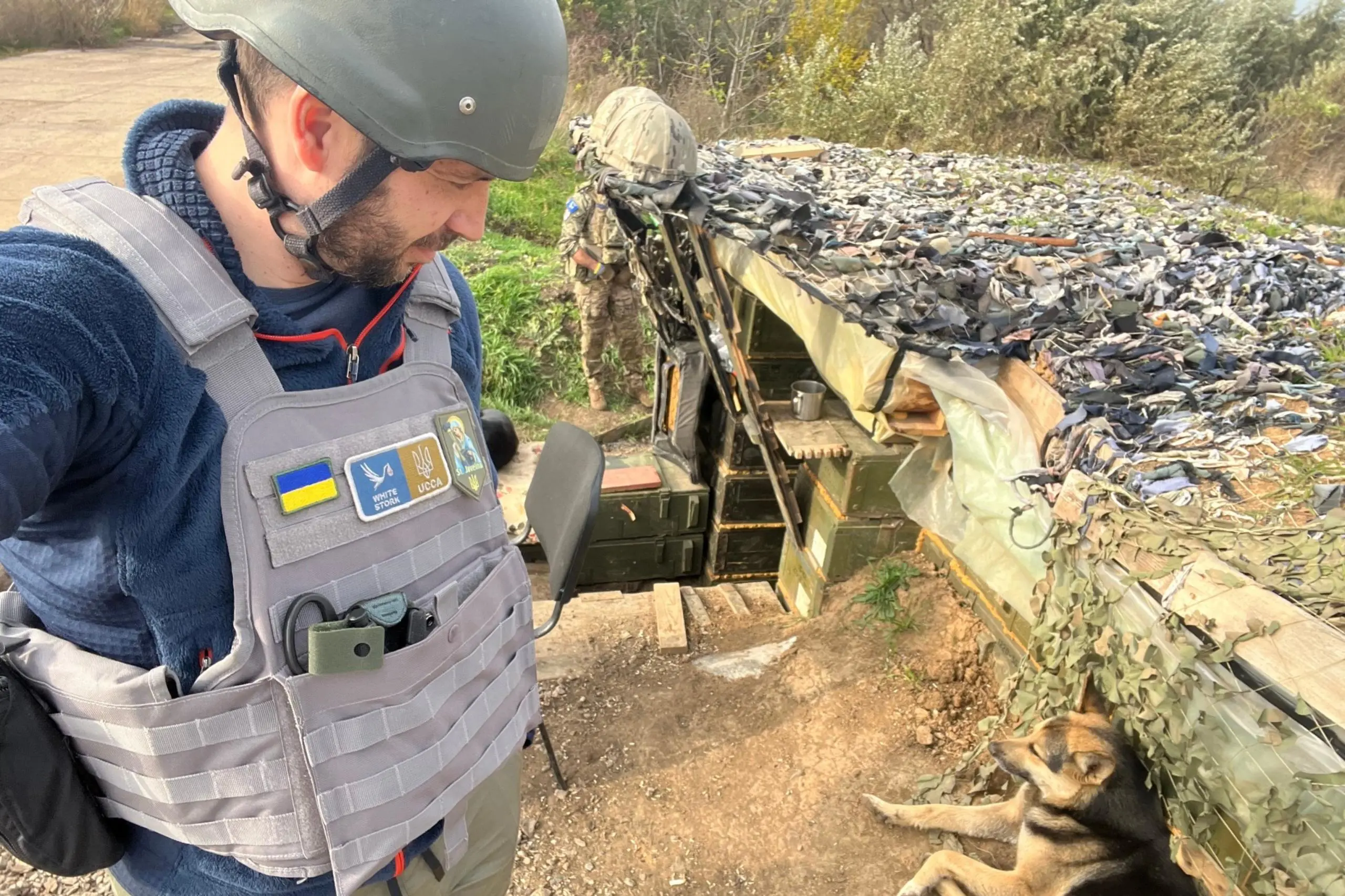
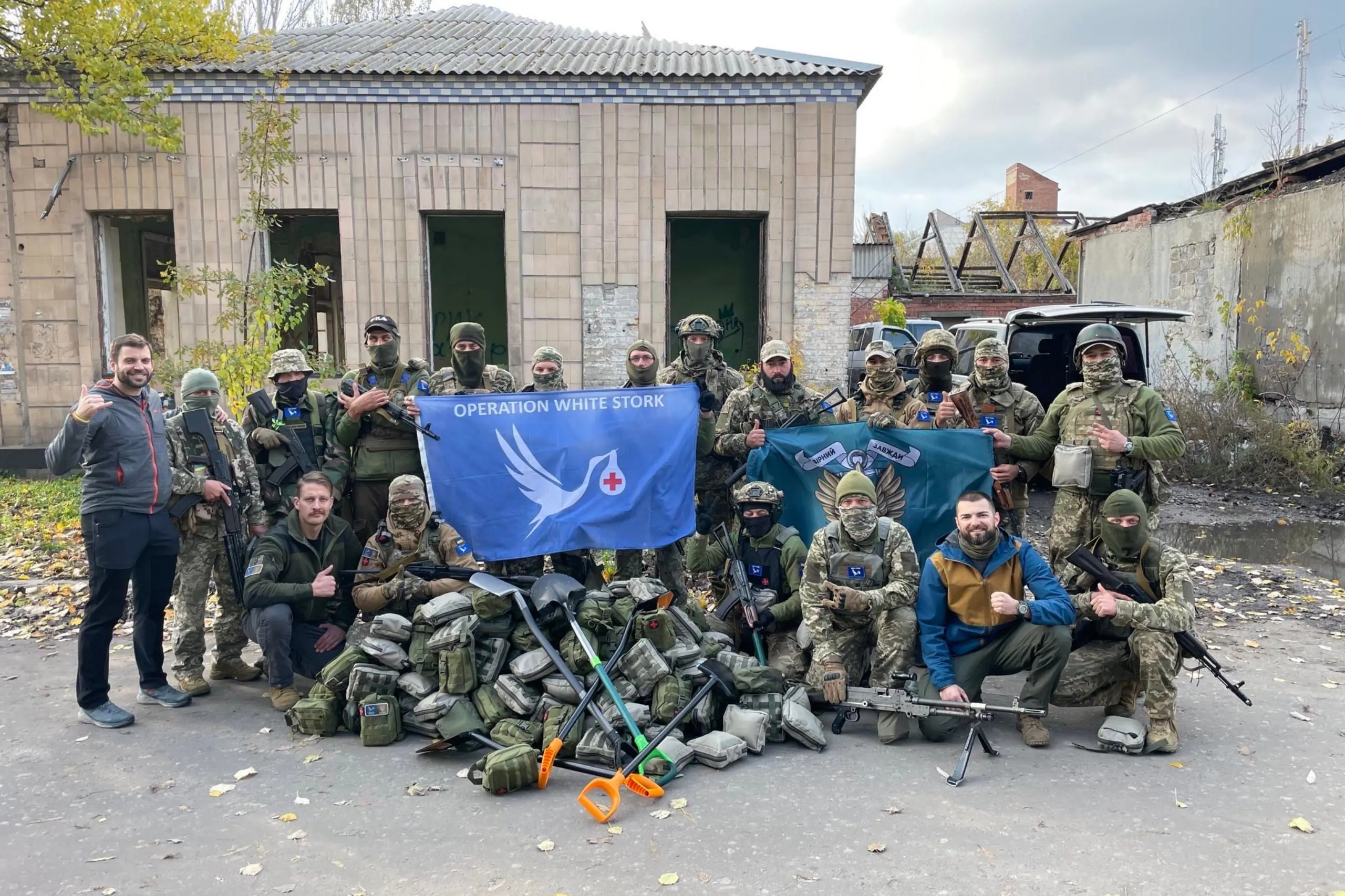
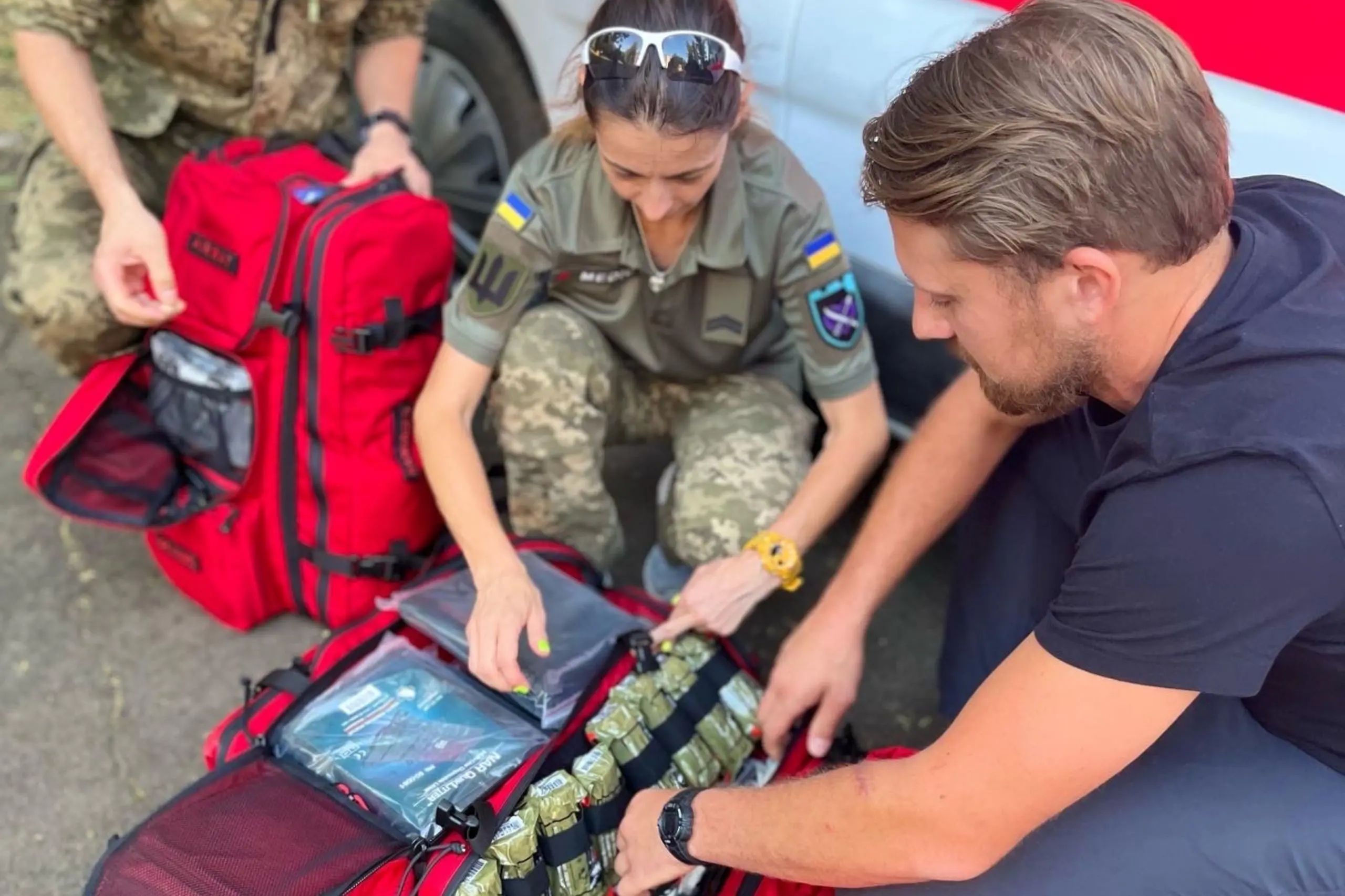
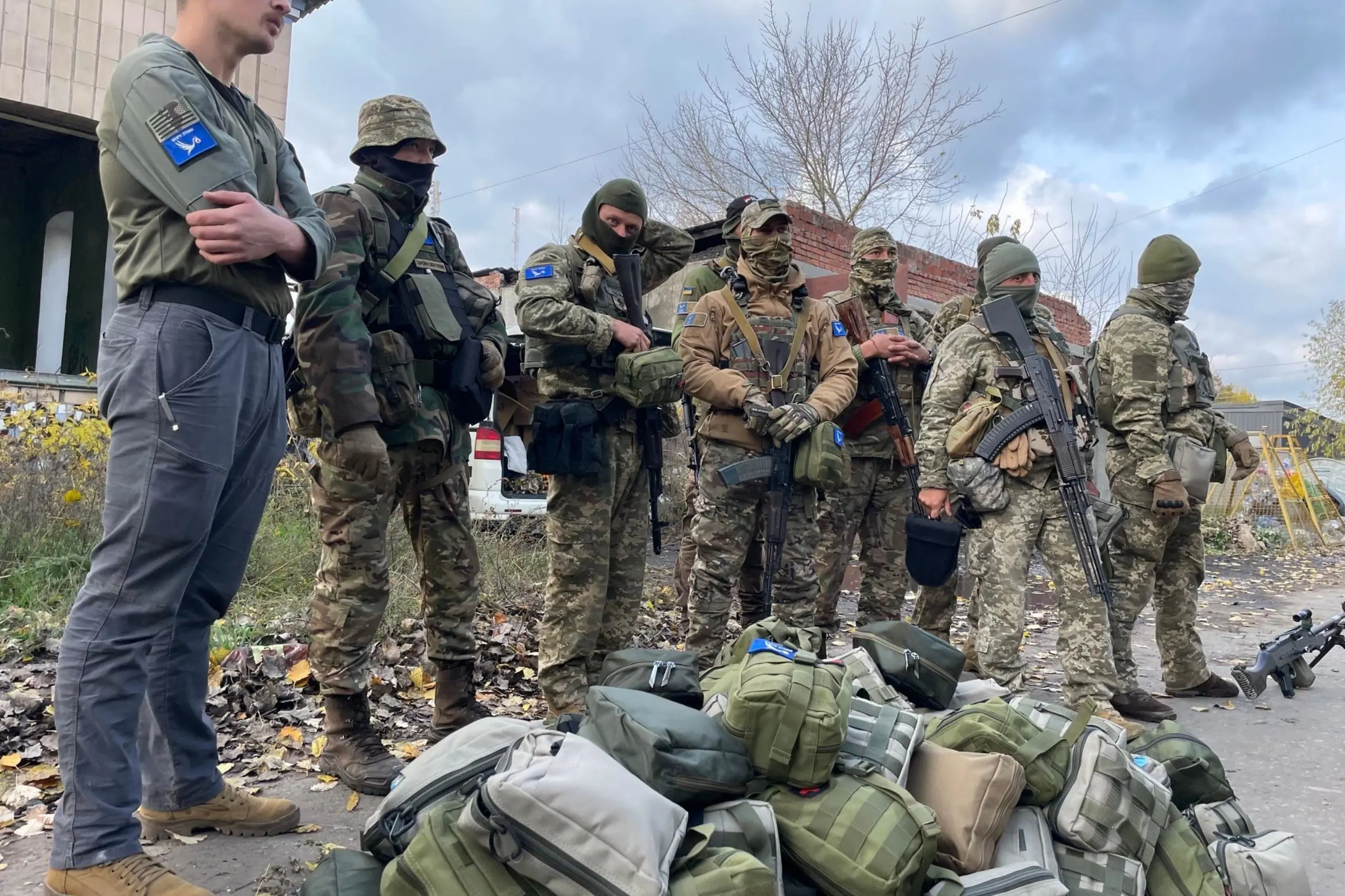
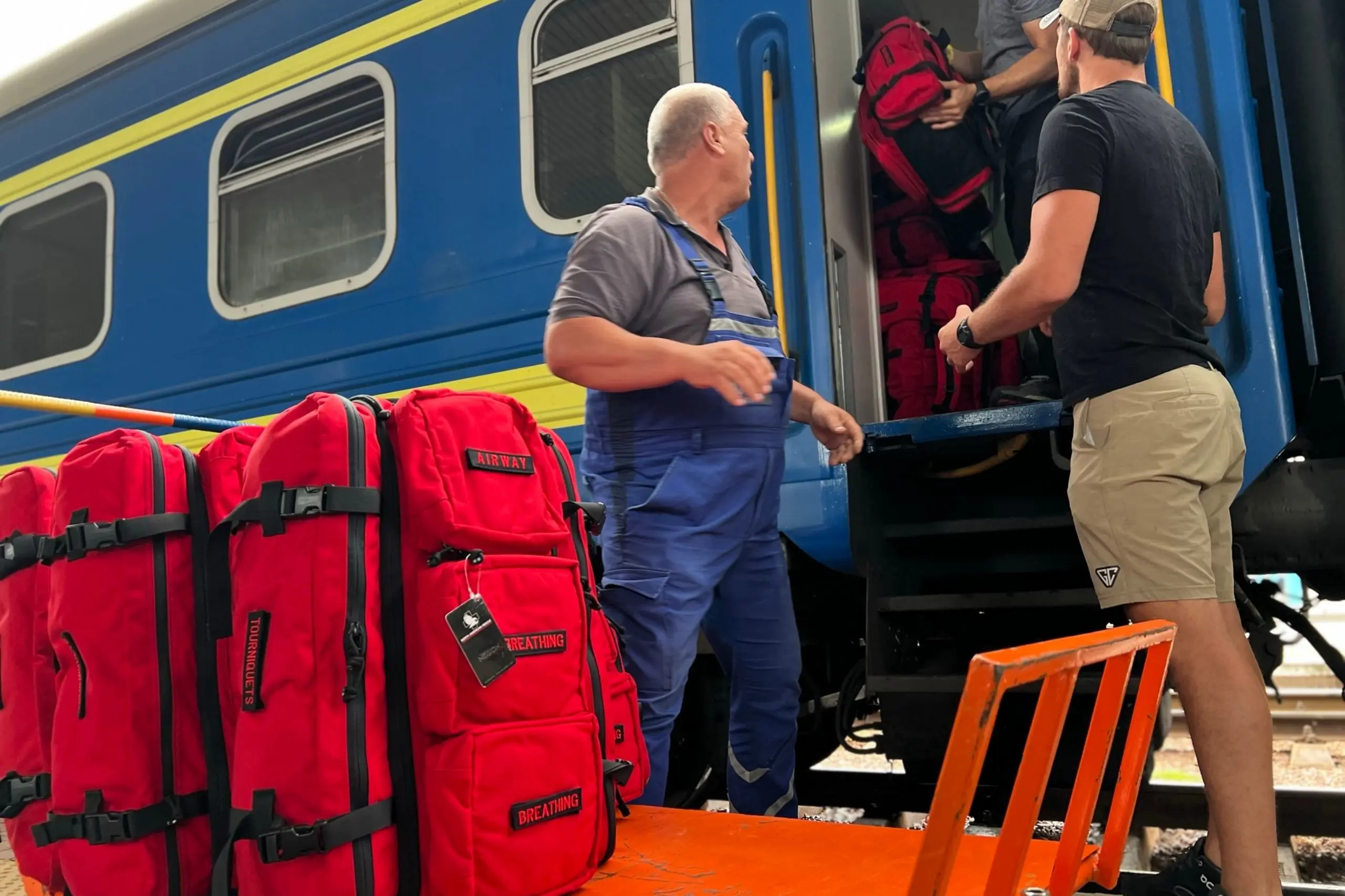
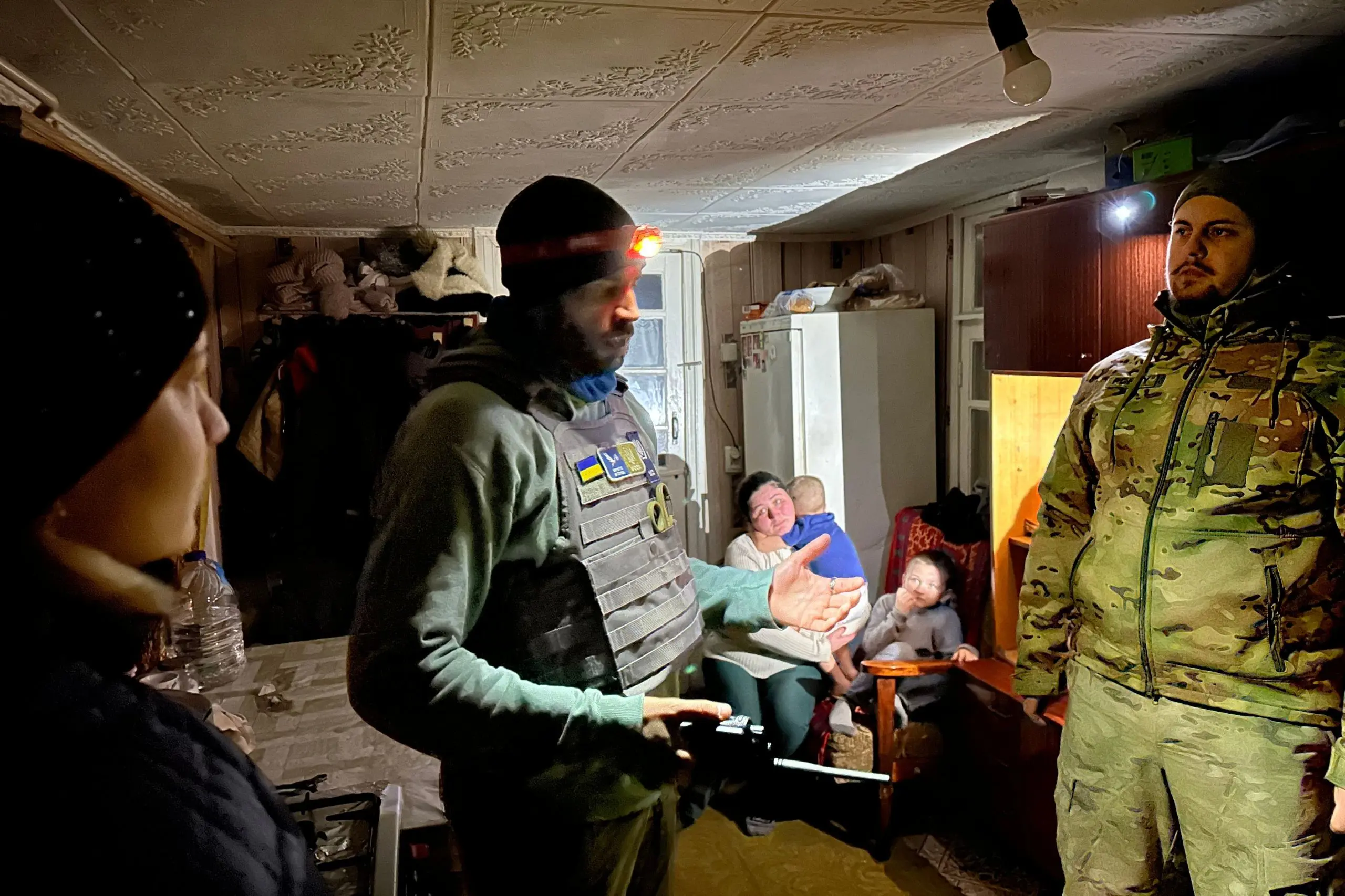
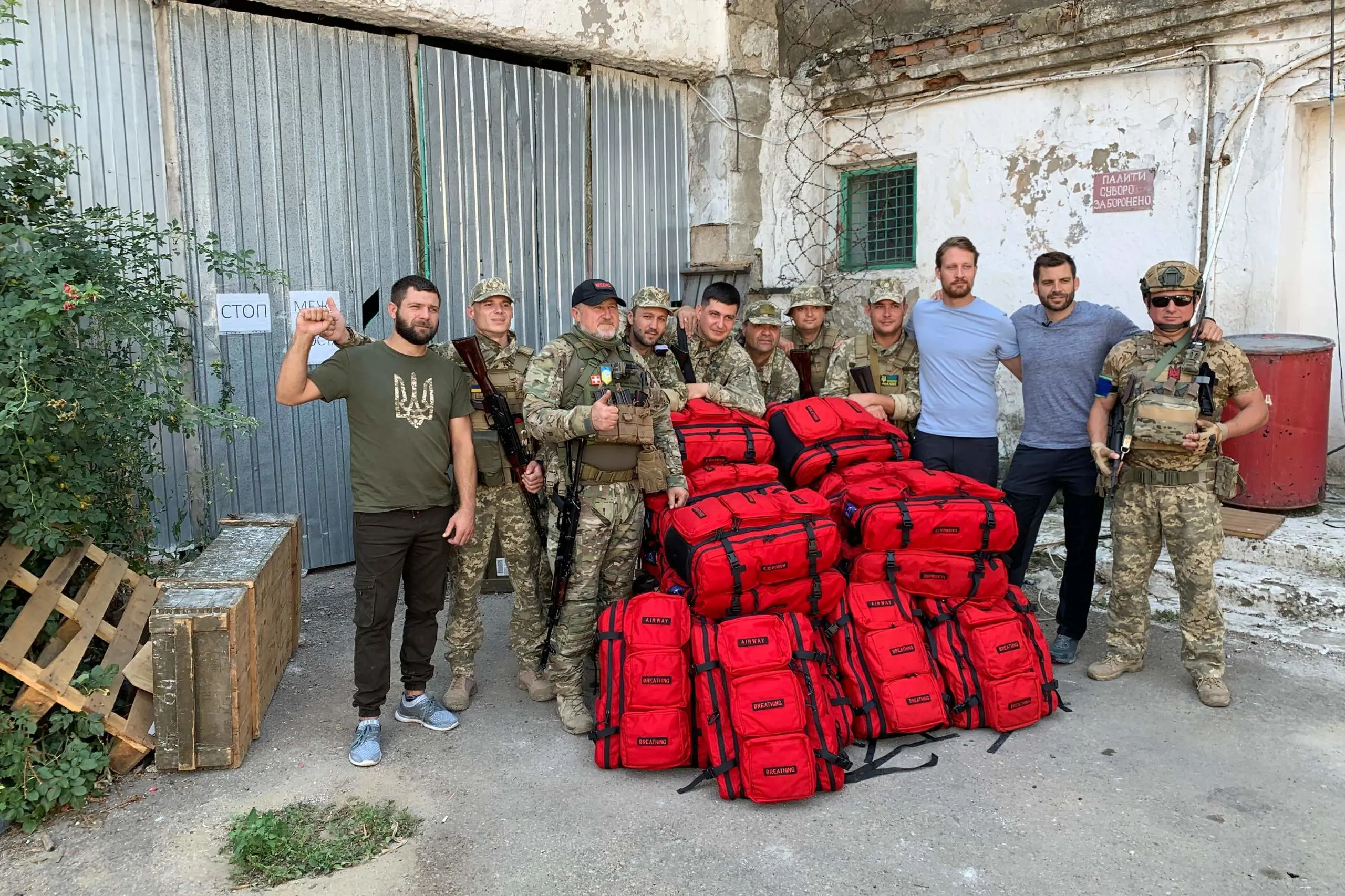
White Stork is a veteran-led evacuation and medical supply operation that takes its name from the national bird of Ukraine. We began operating in Ukraine with two programs: evacuations and individual first aid kits (IFAKs). Today, White Stork is a leading supplier of first aid kits to the Ukrainian military, Ukrposhta (Ukrainian national postal service), and Ukrzaliznytsia (Ukrainian railways), supplying over 30,000 first aid kits to front-line units.
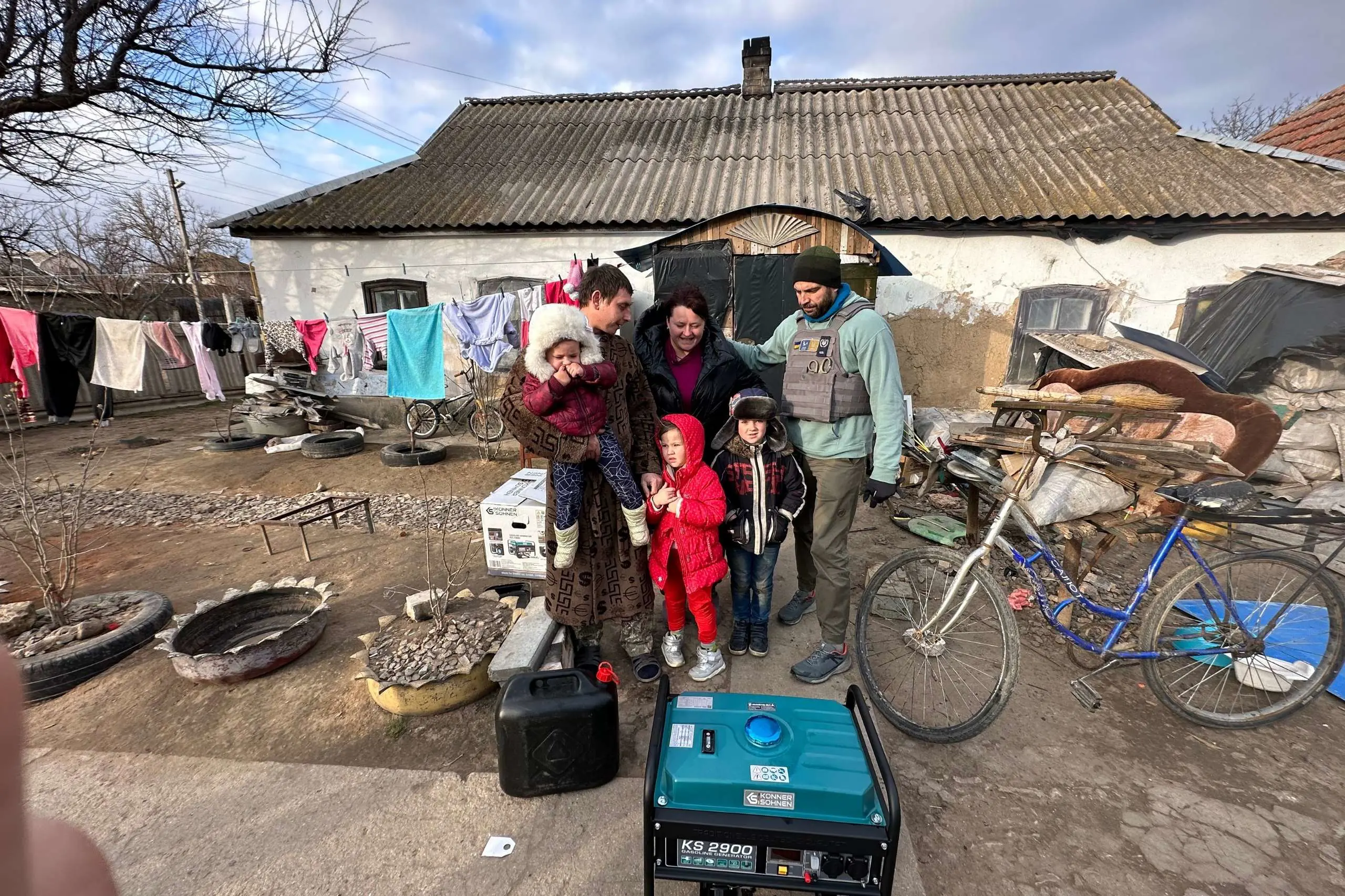
In line with White Stork’s commitment to locally-led humanitarian action, we work with a number of national partners. White Stork only delivers to end users—not aid depots—ensuring 100% of donations reach those who need it most. We respond to the demand signal of our Ukrainian partners to support the civilian population, and also provide non-lethal military aid to the front lines. The annual budget of White Stork’s Ukraine operations is approximately $5-8 million USD, inclusive of cash and in kind donations. The geographic footprint of our operations is primarily in the East and South, but changes with Russian military action. White Stork does not abide by the neutrality principle. We only provide aid to Ukraine.
Why were you drawn to this line of work?
When we crossed into Ukraine in February of last year, we didn’t know what to expect. It was 11pm, and we found a line three miles long of women and children standing in the cold, waiting to process through the border into Poland. Then we spoke with Ukrainian military leaders and we were surprised to learn that they lacked the basic medical kit that we carried in the Marines to stop traumatic bleeding.
We decided we were going to treat everything else as a distraction and just focus on evacuations and individual first aid kits (IFAKs) because the set of problems was enormous and we would be a mile wide and an inch deep if we decided to do more. While we spun up those two programs, we really decided to stay when the genocide became clear. Women in our evacuation vehicles explained their treatment by Russian forces. It made our blood boil. Any one of us would have reacted the same way.
How did your time at Loyola prepare you for your current role?
I recall struggling to maintain a ‘B’ in Latin classes with Mr. Mathers and Mr. Schulte (and failing at that objective with the former). Mr. Mathers prepared me for the Marine Corps more than bootcamp. I’m joking, but accountability was instilled in us at Loyola. And we were called out, especially by Coach Seeberg, when we were caught skipping practice runs. There was a lot of tough love at Loyola, and I appreciate that more in hindsight.
At the end of the day, what makes you most proud?
At the beginning of the war, the Ukrainian military requested 400,000 individual first aid kits. White Stork has provided over 5% of that request thus far.
Do you have a favorite quote or mantra that inspires you?
“Tiger, one day you will come to a fork in the road and you’re going to have to make a decision about which direction you want to go. If you go that way you can be somebody. You will have to make compromises and you will have to turn your back on your friends. But you will be a member of the club and you will get promoted and you will get good assignments. Or you can go that way and you can do something — something for your country and for your Air Force and for yourself.
If you decide you want to do something, you may not get promoted and you may not get the good assignments and you certainly will not be a favorite of your superiors. But you won’t have to compromise yourself. You will be true to your friends and to yourself. And your work might make a difference. To be somebody or to do something. In life there is often a roll call. That’s when you will have to make a decision. To be or to do? Which way will you go?” —Colonel John Boyd, United States Air Force