A Call to Justice, Reflection, and Service
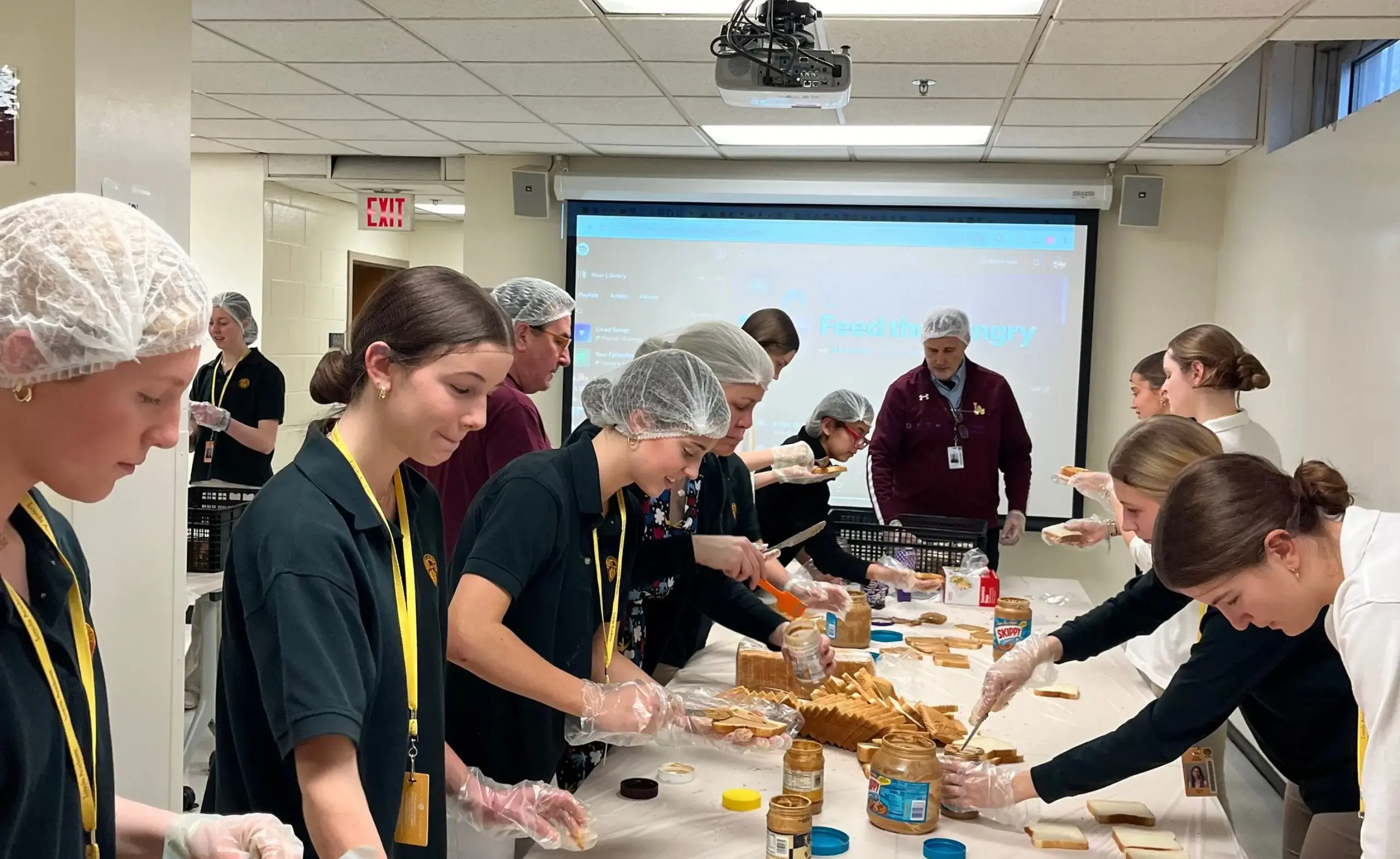
Service has long been an essential expression of a Loyola Academy education—an opportunity for students to put faith into action and grow as women and men for others.
Through the Ignatian Service Learning Program, students move beyond the classroom to encounter the world firsthand, building meaningful relationships with community partners while responding to real human needs with compassion, humility, and purpose.
Embedded across six academic departments, Loyola’s many Ignatian Service Learning courses connect rigorous academics with hands-on service and guided reflection. Through these experiences, students are encouraged to:
- apply classroom learning to real-world challenges and community needs;
- engage directly with local organizations and community partners;
- reflect on issues of justice, dignity, and solidarity through the lens of Catholic Social Teaching;
- grow in empathy, self-awareness, and leadership; and
- recognize their responsibility to serve the greater good.
By integrating reflection, action, and academic inquiry, the program helps Ramblers deepen their understanding of the world and discern how they are called to lead lives of purpose and service.
 | Learning Through Encounter |
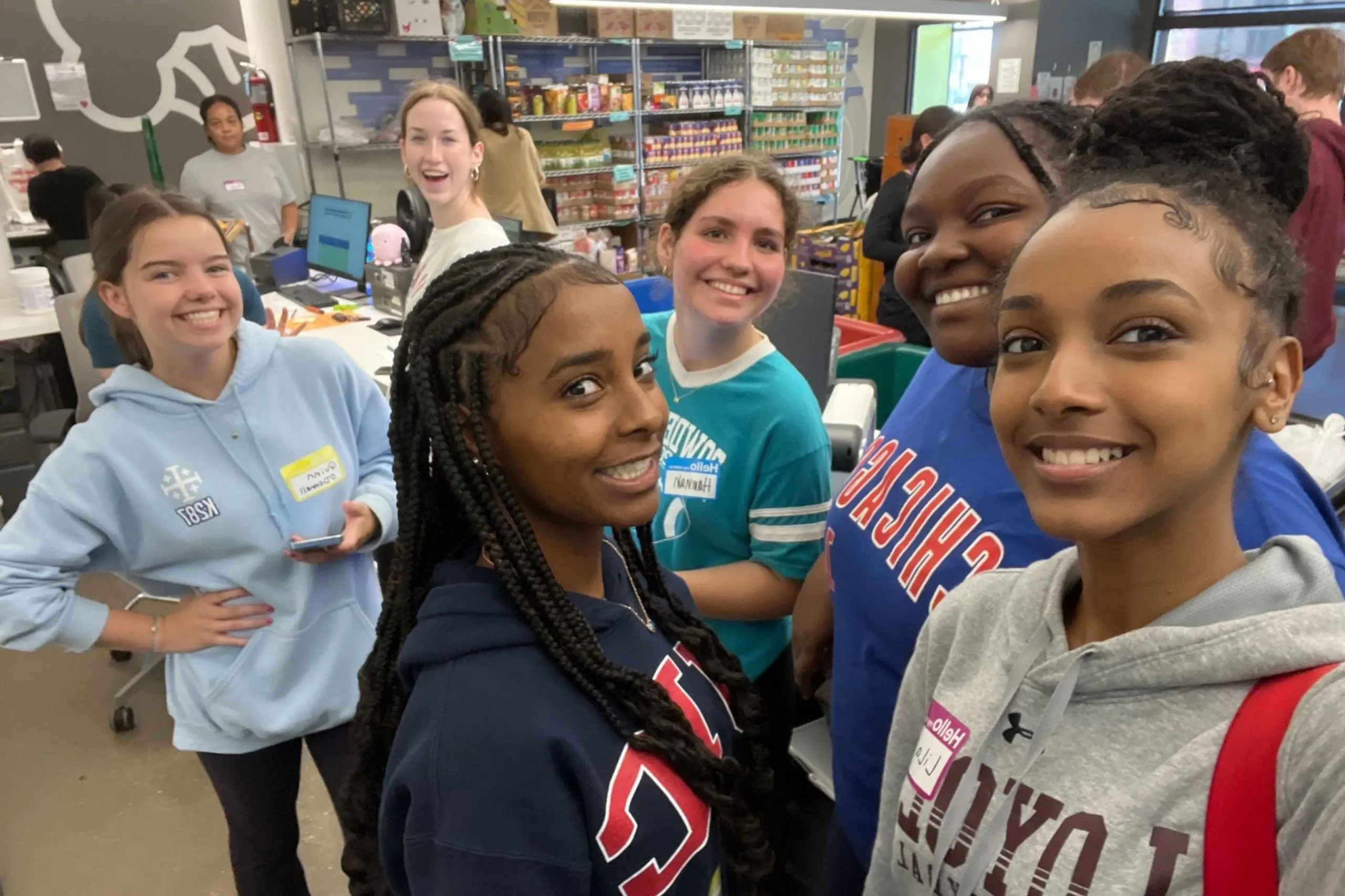
| Ignatian Service Learning challenges students to move beyond observation and enter into meaningful relationships with others. Through direct service, academic inquiry, and guided reflection, Ramblers come to better understand the realities facing their communities—and discover how they are called to respond with compassion, justice, and hope.. | |
What is Ignatian Service Learning?
Ignatian Service Learning is a teaching model that combines classroom instruction with meaningful and relevant community service. Students don’t just learn about an issue — they encounter it, respond to it, and reflect on it.
This process:
- Deepens the academic rigor of our curriculum
- Meets real, urgent needs in the community
- Builds leadership, empathy, and civic responsibility
- Encourages students to live out Loyola’s mission to be women and men for others
| How It Works |
Students enrolled in Ignatian Service Learning courses:
This model allows students to practice problem-solving, develop new civic skills, and explore how faith and justice intersect in daily life. |
| Academic Integration |
Ignatian Service Learning is not an “add-on.” It is academic. Courses are offered across six academic departments and rooted in Loyola’s core curriculum. Each course is structured to help students:
|
| Learning Outcomes |
Context Experience Reflection Action Evaluation |
| Spring Symposium |
At the conclusion of the program, students synthesize their experience in a capstone project. These projects are shared publicly at the "Love in Action" Spring Symposium, where students present what they learned, what challenged them, and how they chose to respond. The Symposium is an important moment of accountability, celebration, and witness — students give voice to the people and stories that shaped them. |
Our Community Partners
Loyola Academy currently partners with more than forty non-profit organizations that provide students with meaningful, guided, real-world learning experiences and mentorship.
Our community partners are essential to the success of Ignatian Service Learning—through these partnerships, students serve and learn in a wide range of settings, including:
- Organizations supporting immigrant and refugee children and adults
- Food security and housing support organizations
- Senior care and companionship programs
- Agencies that accompany adults with developmental and intellectual disabilities
- Environmental stewardship initiatives along the North Branch of the Chicago River
Students step into these relationships with humility and respect, understanding that they are guests in the community and learners in someone else’s lived reality.
Leadership, Faith, and Justice
Ignatian Service Learning asks students to consider:
- What gifts have I been given?
- Who is being left out or left behind — and why?
- What does it mean to act with and for others, not just on behalf of others?
- How does my faith call me to respond to injustice?
In this way, service is not charity alone. It is formation.
View the Curriculum Guide for detailed course requirements and program coursework.