
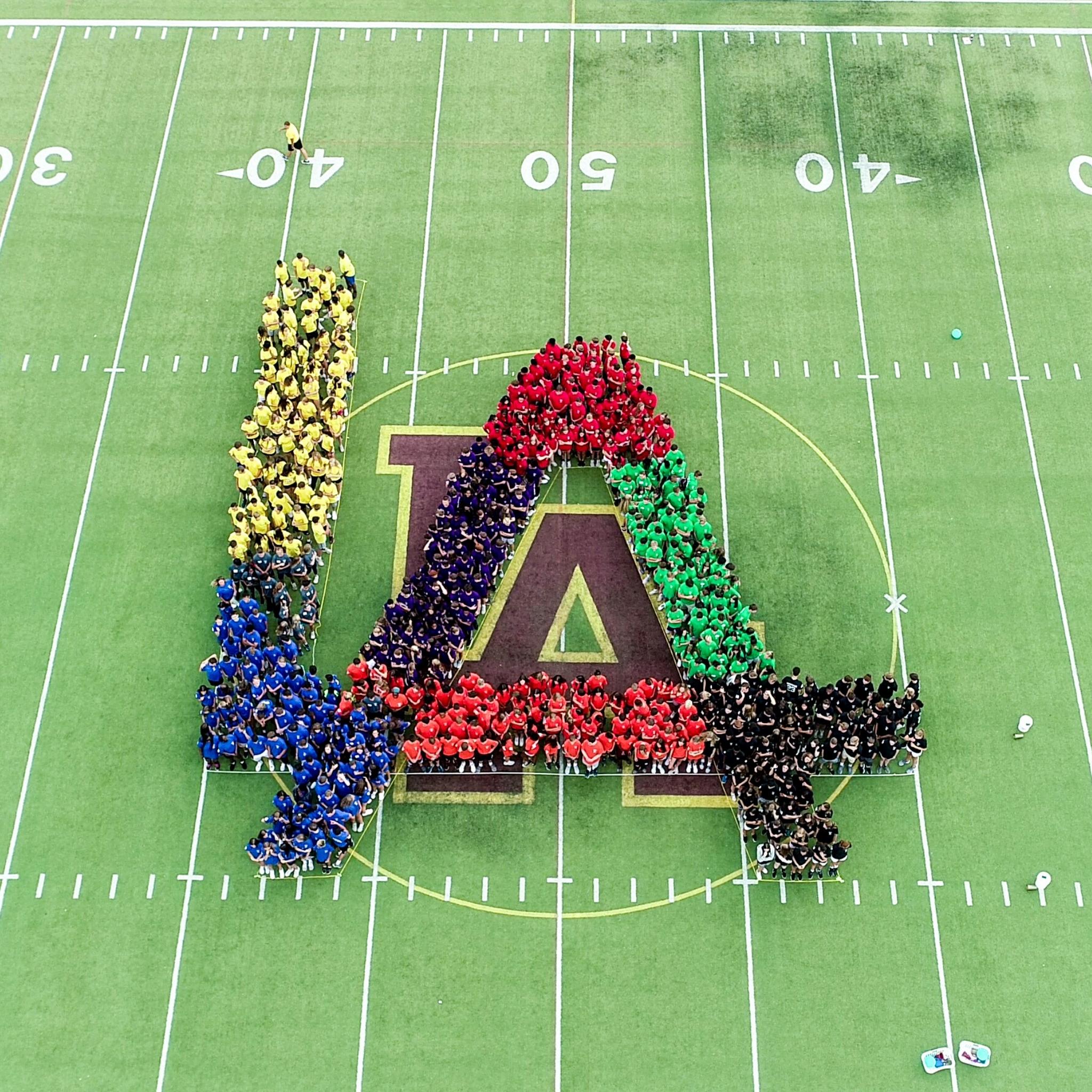
A Lifetime of Rambler Pride: John O'Loughlin '59
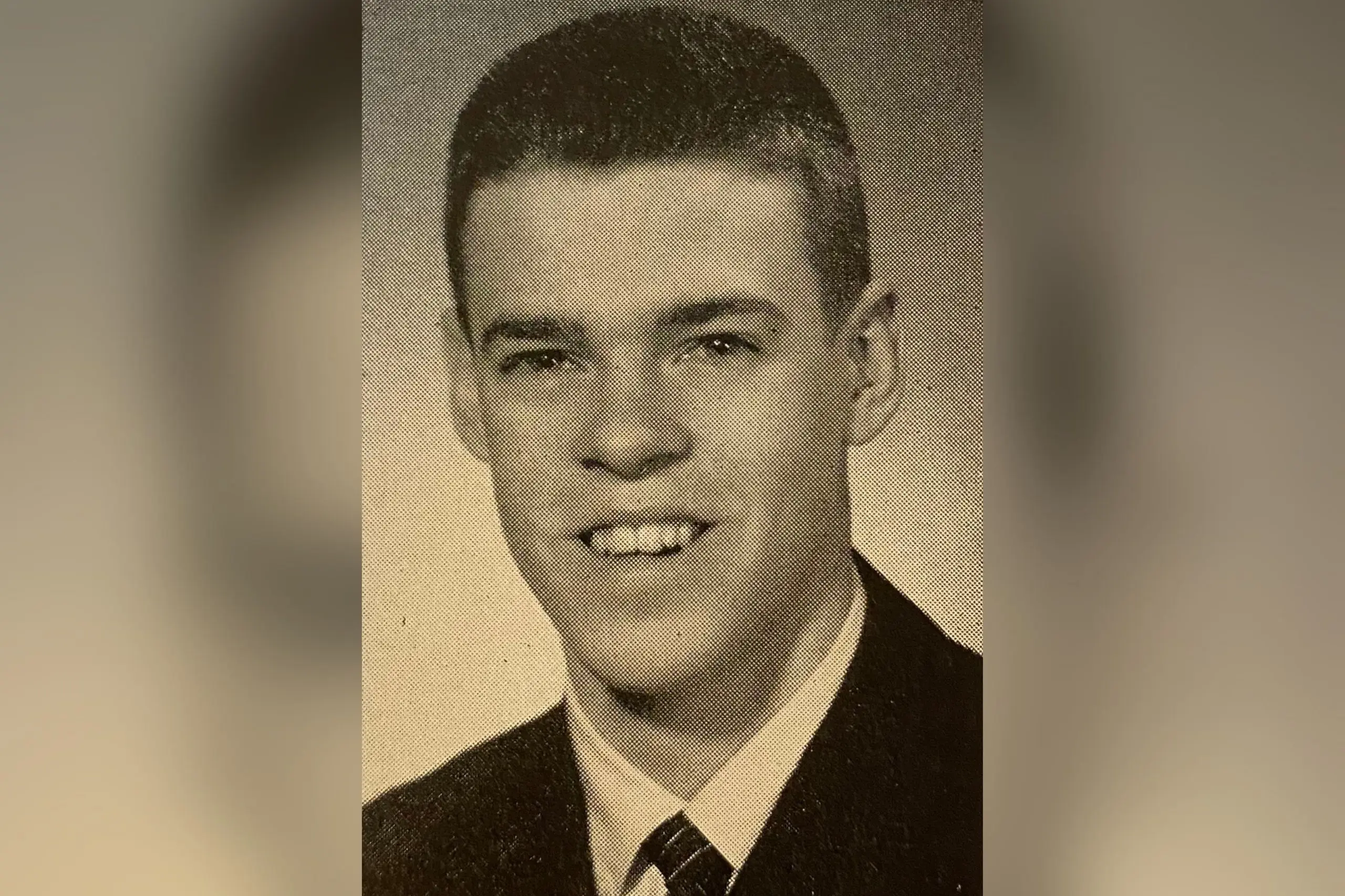
Student, teacher, coach, mentor, and alumnus, John O'Loughlin '59 has devoted a lifetime to Loyola Academy. For more than six decades, his love for the school and steadfast commitment to Jesuit values have helped shape generations of Ramblers, leaving a legacy grounded in gratitude, excellence, and service.

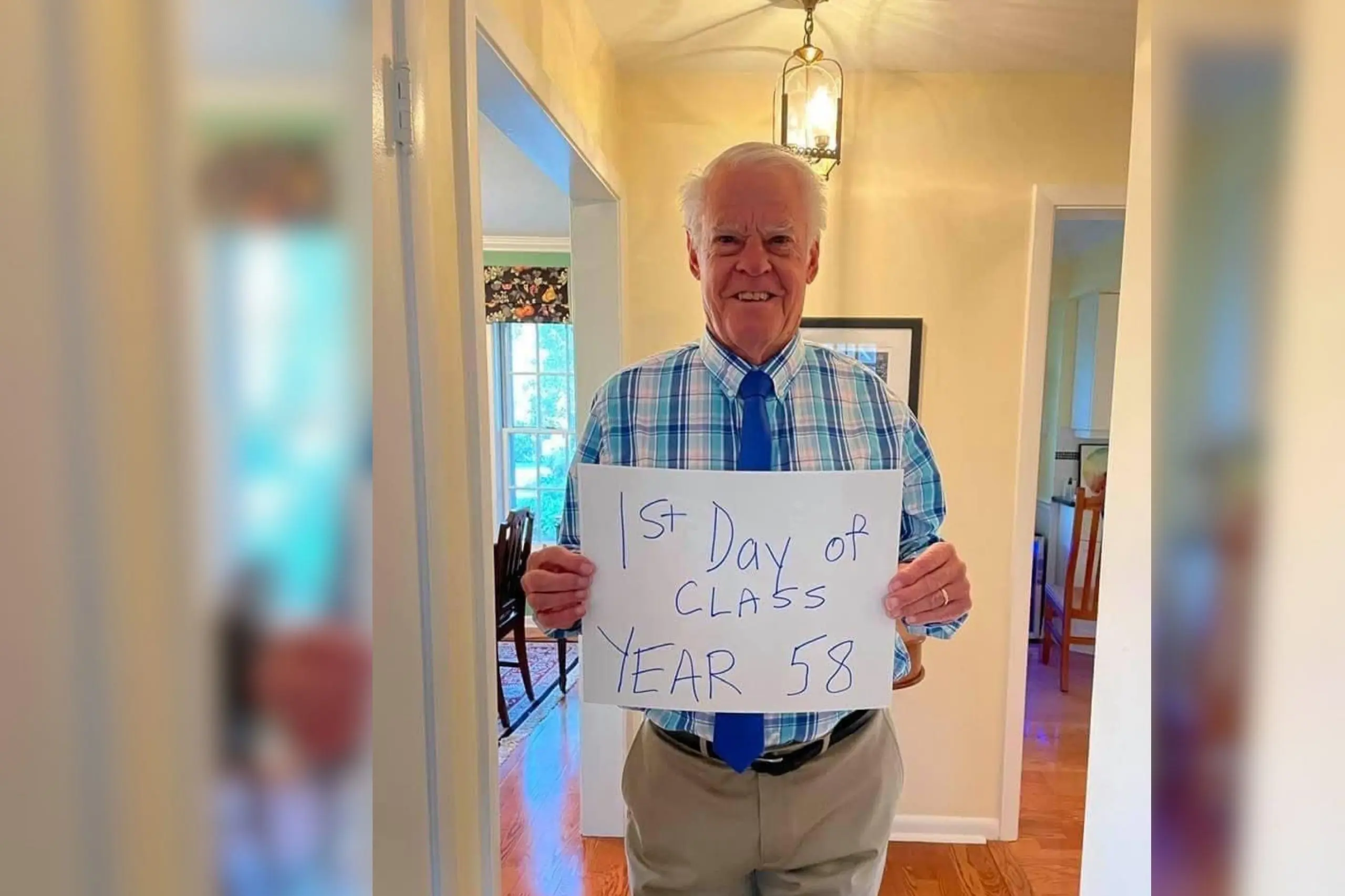
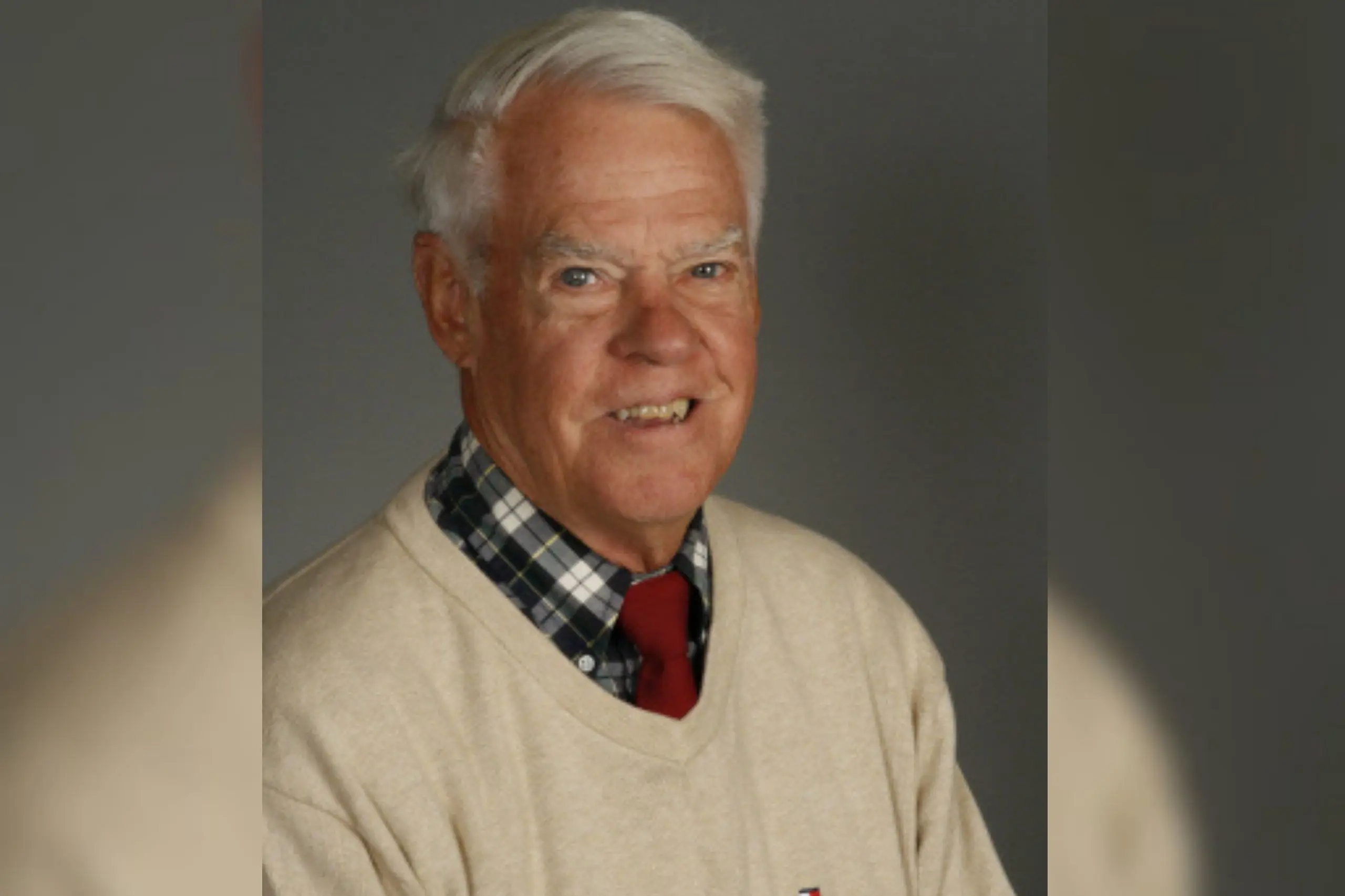
Fast Facts:
- Number of Years at LA: 59
- Current Role:
Social Studies Teacher
Assistant Varsity Basketball Coach - Hometown/Current Town: Glenview/Chicago
- Education:
University of Notre Dame (BA, 1963)
Loyola University Chicago (MA, 1967)
What makes Loyola Academy a special place?
There is an atmosphere that pervades the school—a positive, Catholic spirit—that I felt as a student and still feel today as a teacher and coach. There is a wonderful synergy, a combination of students, faculty and staff that believe in the mission of Loyola, that pervades the building. Teaching at Loyola is not a job but a joy. Loyola is the "Wrigley Field" of high schools. Now, the new academic and athletic additions make Loyola even greater.
What Loyola moment will you never forget?
Receiving the Rev. Daniel A. Lord, SJ, Award with my brother, James M. "Jim" O'Loughlin '62, for distinguished service in the cause of youth in 2003.
What is one thing people might not know about you?
I played Little League at Thillens Stadium starting at the age of 9 in 1950. I was a member of the Chicago team that played in the first ever Little League World Series in Williamsport, Pennsylvania. I never got to play in that first game, which our team lost 6-0 to a team from California, but I always remember being there. I continued to play Little League the next three years at Thillens often on WGN Television with Jack Brickhouse announcing the games.
What advice do you have for students today?
Try to implement Father Ostdiek’s three principles of Jesuit education: find God in all things, be a woman or man for others, and do everything well and be good. In addition, enjoy your years at Loyola; they will be part of the best years of your life. Be grateful and thankful for all your gifts.
What clubs/activities/athletics were you involved in as a student at LA?
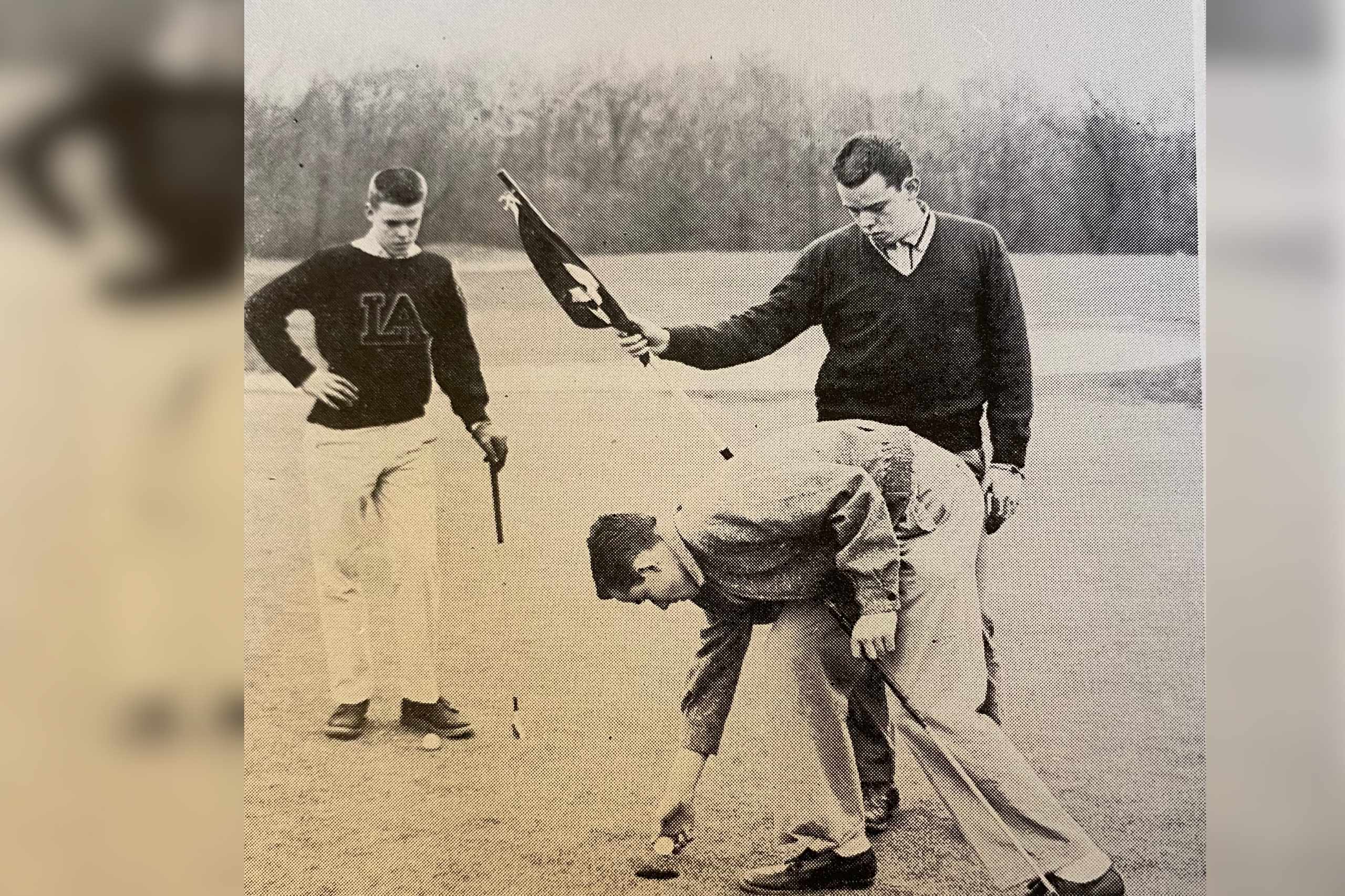
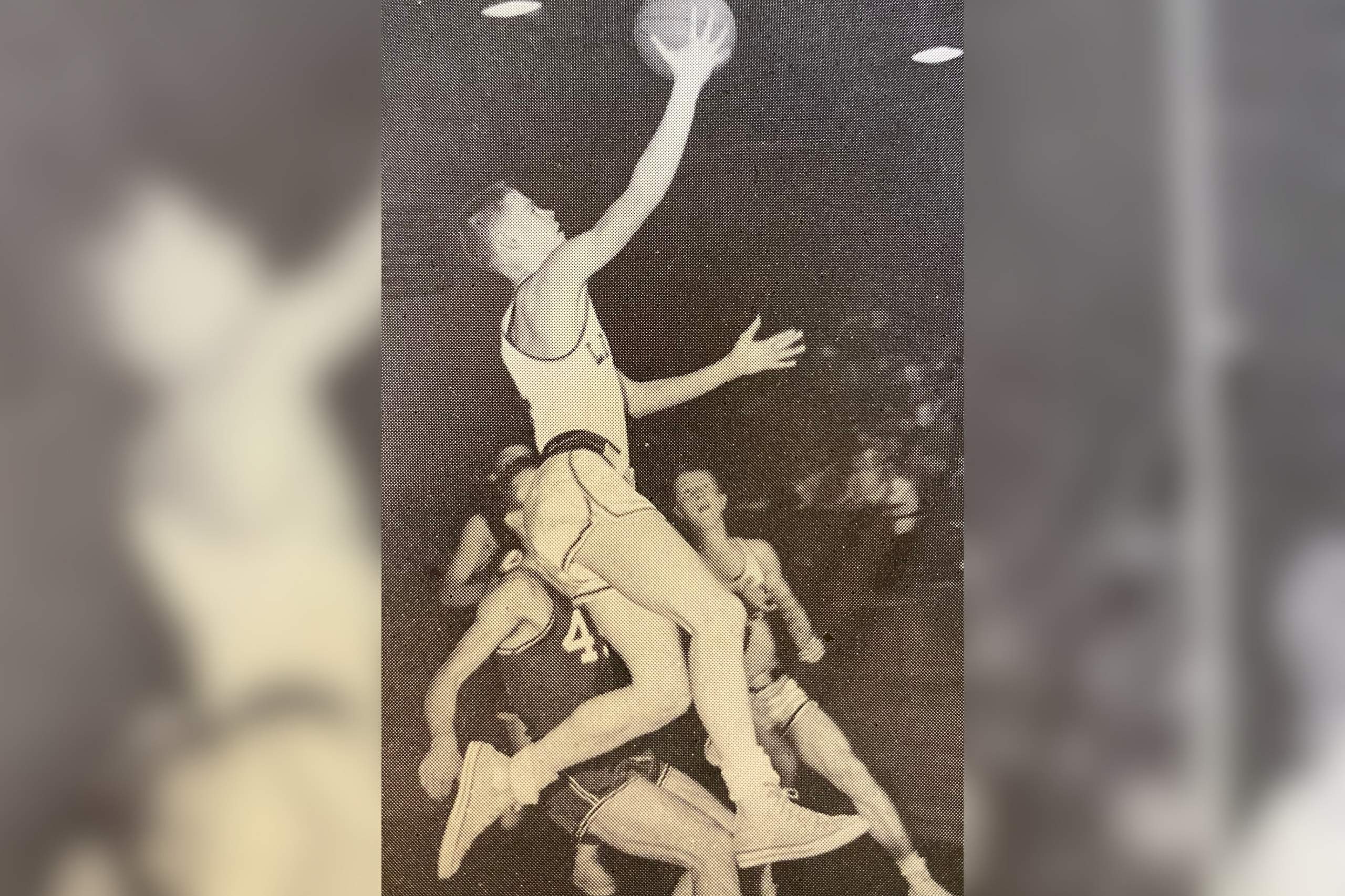
Vice president of senior class 1959; four years member of Torch Club; varsity basketball 1957-1959; varsity baseball 1957-1959; four years of Sodality (service)
What book changed your life?
I read Ken Follett's Eye of the Needle and was fascinated by historical fiction. I have read every Follett novel since and many others that are history and historical fiction. I especially like Eric Larsen, John Grisham, and Dan Brown. I think The Da Vinci Code might have been the most entertaining.
If not currently teaching, what do you think you'd be doing instead?
I hoped and dreamed of playing baseball in the major leagues. (My brother Jim '62 made it to Double A with the Braves in the early 60s.) My dream sort of ended when I was cut from the freshman baseball team at Notre Dame. I thought I deserved to be on the team based on my tryout. As a result, when I began coaching baseball and basketball at Loyola I always extended tryouts to give every player a more complete opportunity.
Over the course of your time at Loyola, what has changed?
Many things have changed. When I started in 1964, enrollment was 800 boys. Faculty was all male – about 100 total (half were lay faculty/coaches and half were Jesuit priests/scholastics). Audio/visual aids were non-existent. Learning was all teacher-based lectures from textbooks. Curriculum was very limited – there were few electives and no special programs like the O'Shaughnessy Program and others. The school building was barren—no chapel, no student center, the library was a classroom in the basement, and we had one barely functional gym. Since 1995 when Loyola went co-ed, the school has exploded in every conceivable way.
Over the course of your time at Loyola, what has stayed the same?
While Loyola has evolved and changed, the core has remained. The Jesuit presence pervades the school (more spiritually than physically) but is omnipresent. The diversity of the student body has been stable—students from all of the city and suburbs attend. Academic excellence is still demanded for all courses—magis. Faculty and staff are educated professionals. Service programs continue for students. Athletics and cocurricular activities are still vibrant.
Aside from the curriculum, what do you hope students learn from being in your class?
Ignatian values: respect for fellow students, be generous to everyone, strive for magis in all things, be thankful and grateful. Enjoy the high school experience.
What do you like to do in your spare time?
Three major choices: watch sports on TV and/or attend Loyola sporting events; read historical fiction; work outside gardening around our house.