
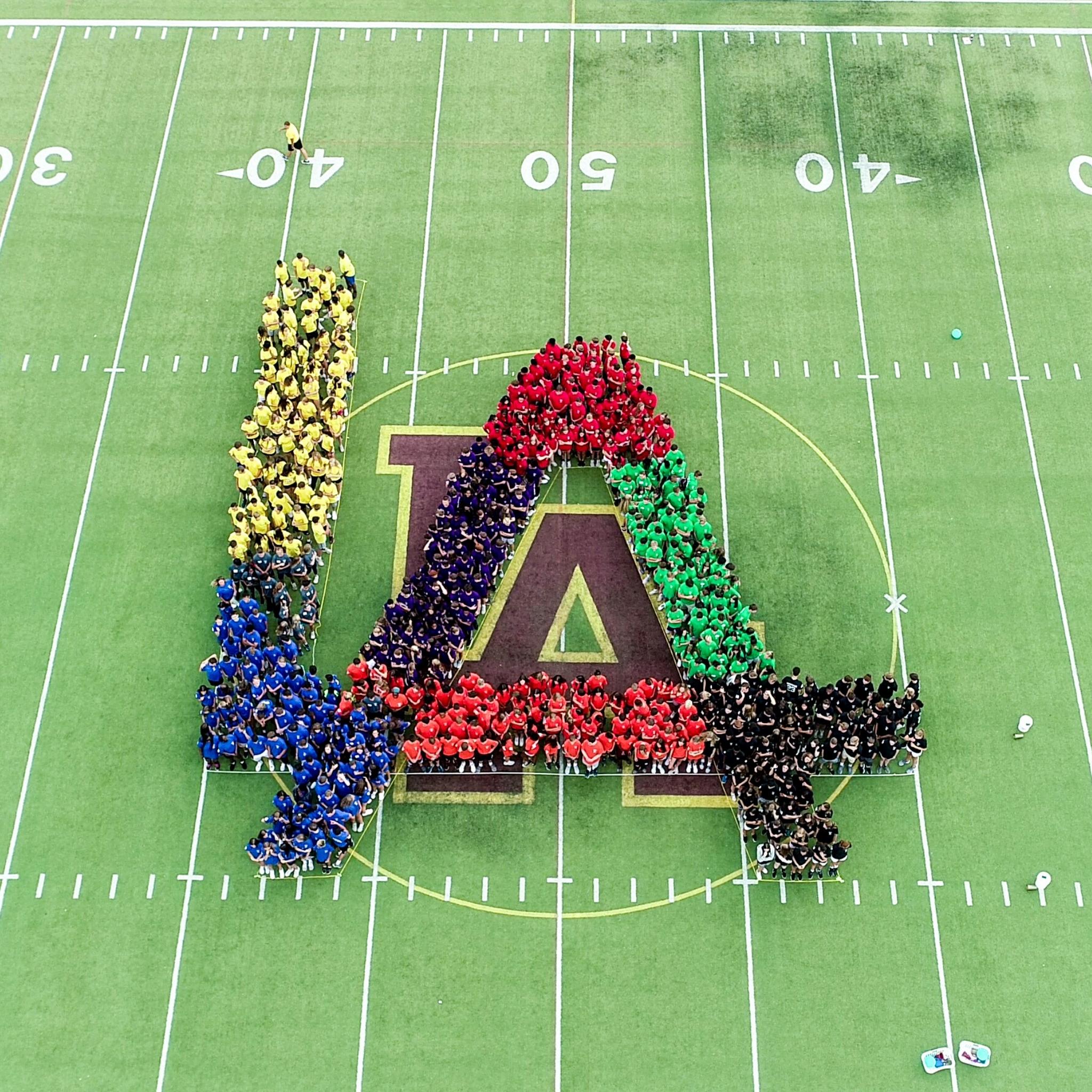
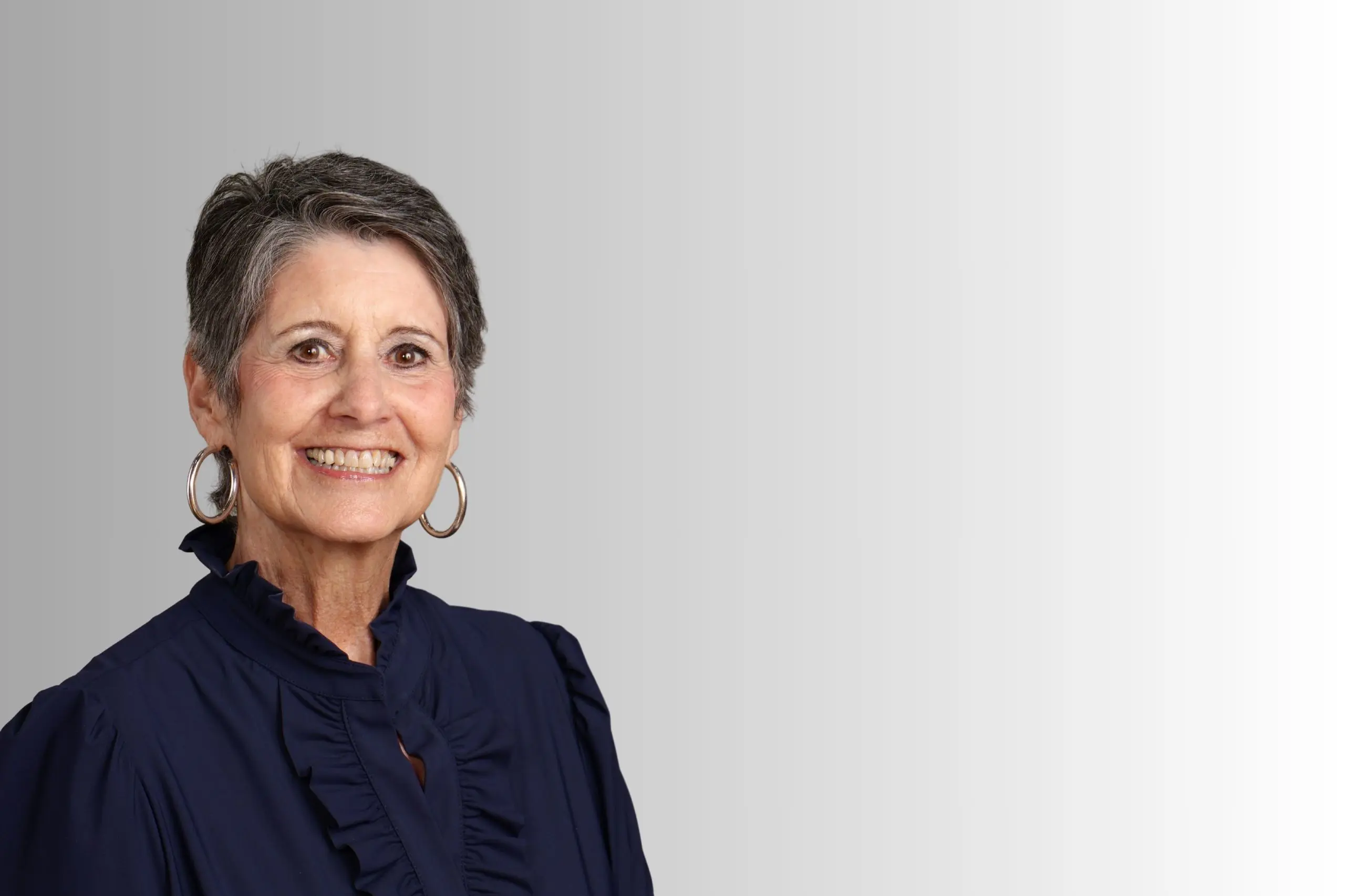
A Legacy of Learning: Selina McGuire P '97, '98, '06
For more than three decades, Selina has helped Loyola Academy students discover that they are valued, resilient, and never alone. Through compassionate counseling, support groups, and innovative programs like Animal Assisted Therapy, she has guided students in developing the emotional skills, confidence, and sense of belonging they need to navigate life's challenges. Rooted in the Jesuit tradition of cura personalis, Selina has walked alongside generations of Ramblers, helping them discern who they are, embrace their God-given gifts, and become women and men for and with others.
Tell us about your family.
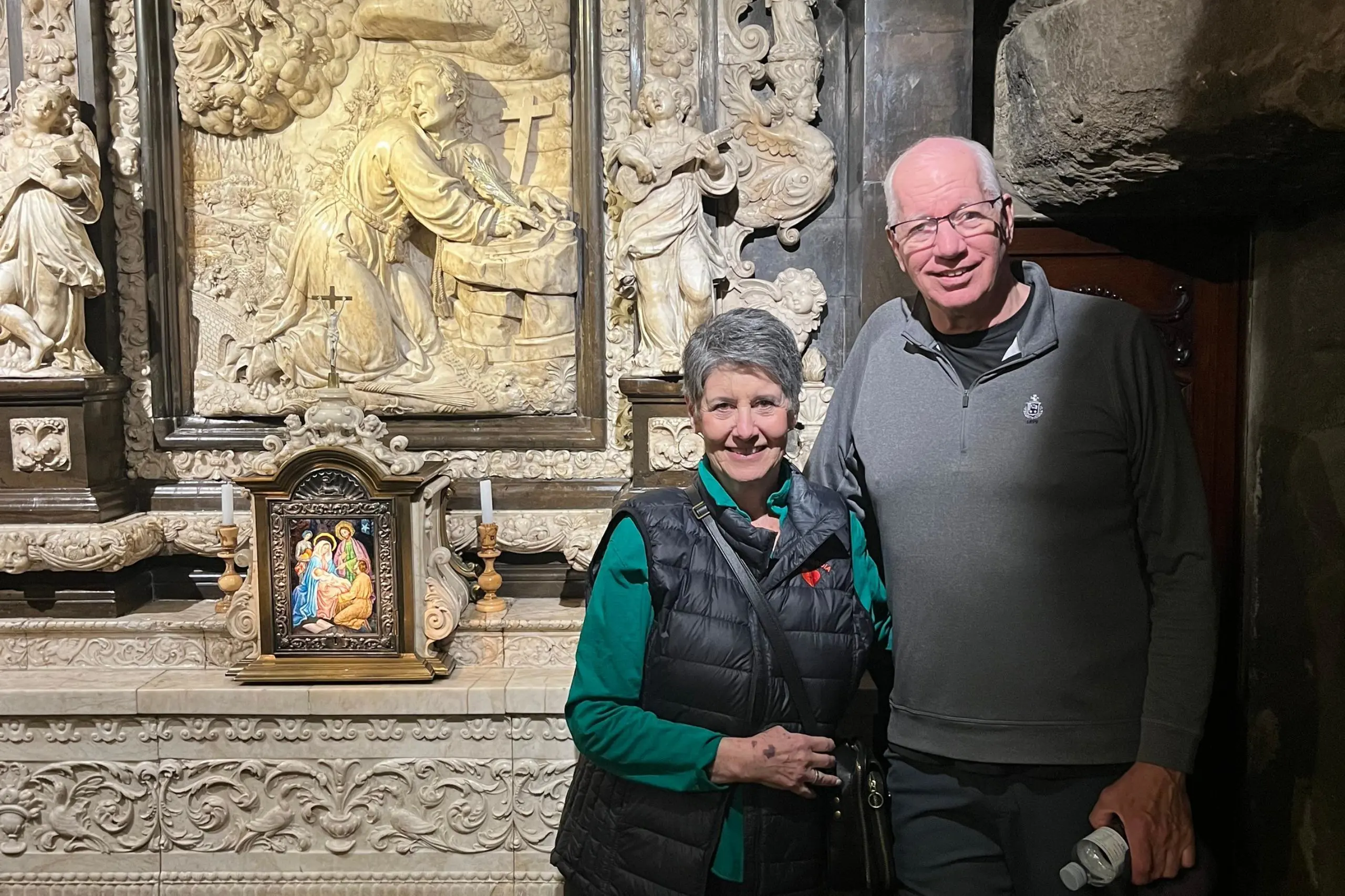
My parents and extended family, including the Dwyers, Dowdles, Henebrys, and Rassas, were founding members of Faith, Hope, and Charity Parish and sent their children to Loyola and Regina. I began working at Loyola when it became coeducational, while my oldest sons, Patrick Bedell '97 and Brendan Bedell '98, were students. A few years later, my youngest son, Mark McGuire '06, attended Loyola and now serves on the faculty. Loyola feels like family because so many of my cousins, nieces, and nephews are part of the community. My cousin Johnny Dwyer '67 built a state championship girls lacrosse program, and Jeannie Dwyer recently earned an award for developing Loyola's Madonna Mission learn-to-swim program.
What does your work as a school counselor look like on a typical day?
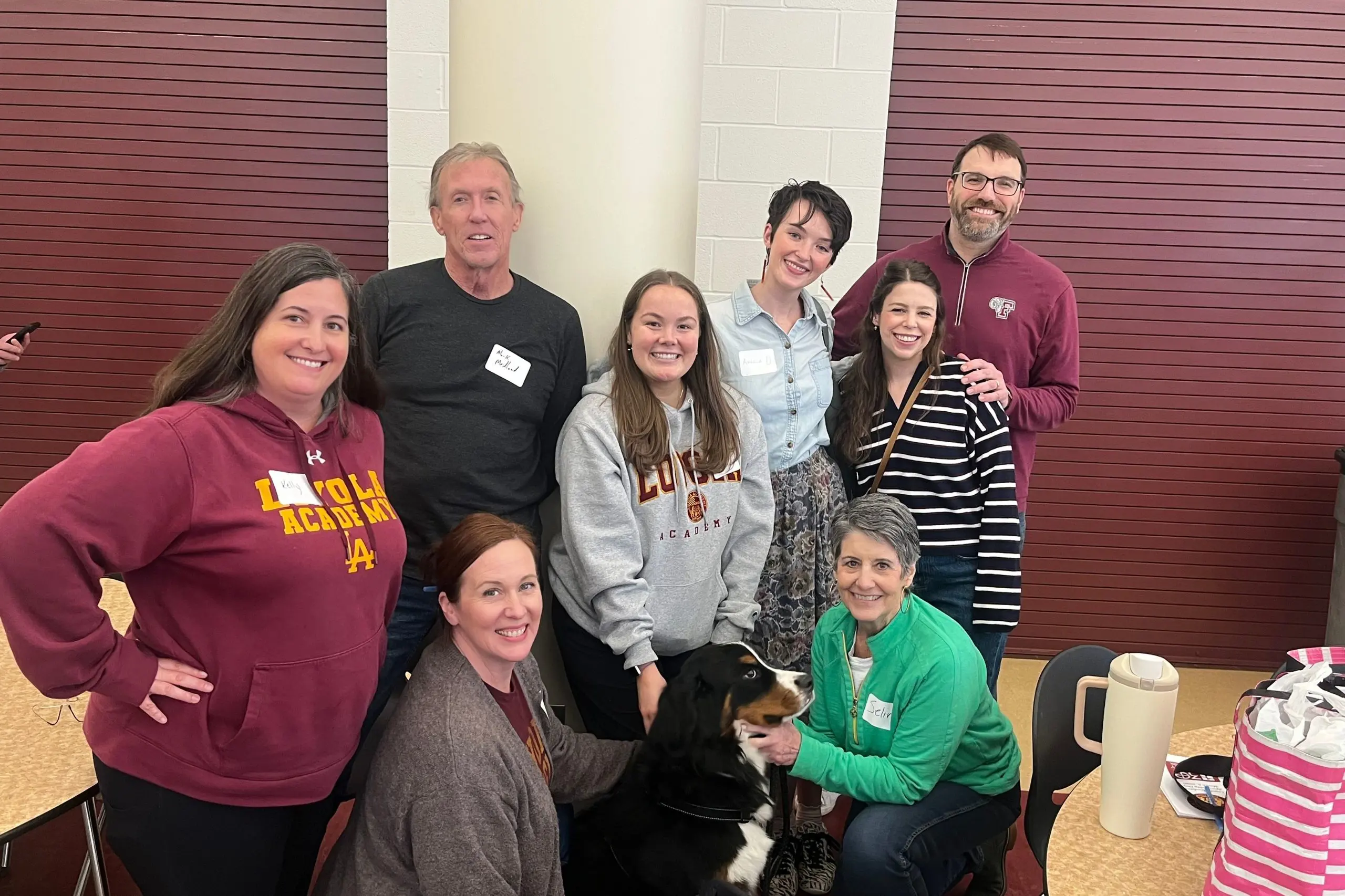
The only thing that is typical of my day is that I start it by going to Mass. We have a wonderful community of students and colleagues who begin our day together at 7:15 a.m. People might be surprised to see one of our therapy dogs, Claddagh, join us every morning. Nothing after that is too typical! Students will share their challenges with me, which can be anything! I usually run a support group and partner with my outstanding colleagues and faculty members throughout the day to make sure we are offering the best possible support to our students. I partner with outside therapists and parents so that we are all working together to support our students. I also get many visitors, both students and faculty, who stop by to visit the dog! We all take our work very seriously, which can be stressful, and it is nice to have a forced pause and realize you are not alone and reset our focus.
How were you called to this line of work?
Actually, I felt called to this vocation when I was 21, in my first year of teaching second graders. I had a boy in my class who had a terrible family situation and suffered from both neglect and abuse. I struggled to help him as best I could, but realized what I really cared about was helping him learn to love himself despite his current situation and to build resilience. Teaching him Reading and Math didn't seem as important to me as helping him emotionally and psychologically. I was blessed to have a wonderful principal, Sr Colletta McNamee, who told me not to worry about the content; what's important is making sure the students know you care for them and they matter. I became determined to go back to school to get my Master's degree in Counseling that first year.
How does Loyola's mission come to life in your role as a counselor and educator?
I try to help students focus on discernment by asking the question: "Who are you besides your GPA and resume?" "Who are you, separate from your parents?" "Who are you, separate from your friends?" "Who is it that you want to become?" "What can you do in your life that leads to meaning and service?" And, "How can you make this world a better place?" I try to challenge them to think about social responsibility, inclusion, and service, especially toward marginalized communities. I have learned that counseling is less about having the answers and more about walking with students while they discover their own answers.
What does being a "person for others" look like in your work each day?
Pedro Arrupe's call to Jesuit schools to form persons for others is all about using your gifts to uplift others, particularly the marginalized. I do my best to use my skills as a counselor to help others realize that they are loved and that they have a role to play in the improvement of the world around us. A hallmark of working in a Jesuit school is cura personalis, care of the whole person, intellectually, emotionally, spiritually, and socially. I try to notice when a student's grief, anxiety, isolation, burnout, or home life is affecting their growth. I meet students where they are, and I hope to empower them to realize how they might be able to use their gifts for others.
What advice do you have for students today?
When I offer advice, it is typically most relevant to a particular student as a result of my interactions with them. As I continue teaching, I find that what the students share with me is far more valuable than any advice I might give them. That said, I think we should all take more risks and make mistakes. We really only learn from our mistakes.
What have students taught you over the years?
Students have taught me that they are carrying struggles that might be invisible at first glance, such as anxiety, family pressure, loneliness, financial stress, grief, identity questions, or fear of disappointing others. I've learned that achievement and well-being are not the same thing. Some of the highest-performing students are also the most overwhelmed. Listening matters more than lecturing, and they want me to be honest with them. Students are remarkably resilient—all they need is just one adult who consistently believes in them.
What insight would you share with Loyola students as they think about who they are—and who they are called to be?
Drawing on the Jesuit tradition of discernment, students should think about their future vocation, not only as a future career, but becoming people of purpose, compassion, integrity, and service to others. As counselors, we help students listen to their consciences, remain open to growth, and seek ways to use their talents “for the greater good,” while trusting that identity and calling develop gradually through reflection, faith, community, and experience. Our students need to know how important it is to reflect, pray, and seek community in service to others.
What do students need most today—and how has that changed over time?
I think the most powerful need we all have has remained the same over the years, and that is the need to belong. Today, challenges such as social media pressure, bullying, academic stress, and fear of exclusion can make it harder for our students to feel connected and valued. They need to realize they belong to something bigger than themselves. Faith is important. Students need to be supported in finding ways God is calling them to serve others.
What makes Loyola Academy special, and why did you choose to contribute your time and talents to this school for more than 30 years?
Loyola is the village that helped raise my children. As a single mother, I really learned to appreciate the fact that “it takes a village”. When I think of all the Loyola faculty and staff who took their vocation seriously and looked after and mentored my sons, I am so grateful. Much of this world is filled with people who clock in and clock out for a paycheck, but Loyola is filled with adults who care deeply about others and treat my sons as if they were their own.
What have you most enjoyed about managing the Animal Assisted Therapy Program?
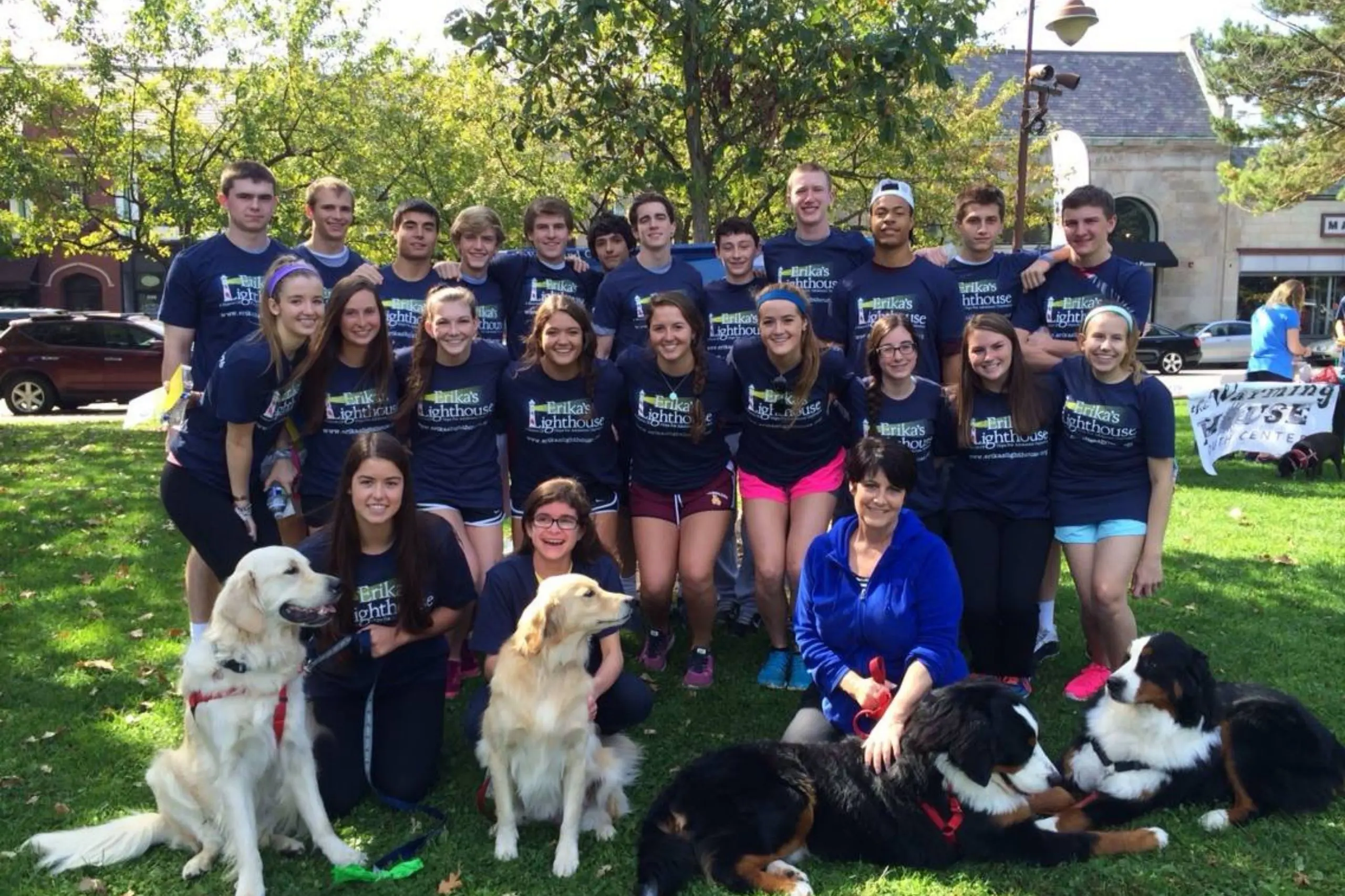
I love that I’ve been able to combine my love for animals with my love for counseling. And I love watching the smiles on everyone’s faces (students and adults) when they see the dog walk down the hall! It’s hard to remain stressed when you see a big, fluffy dog smiling at you and wagging their tail! The bond between humans and animals has a unique ability to bring comfort, trust, and unconditional companionship during difficult times. This powerful connection often supports healing by reminding students they are seen, valued, and never truly alone.
Animal Assisted Therapy Program: Welcoming Claddagh
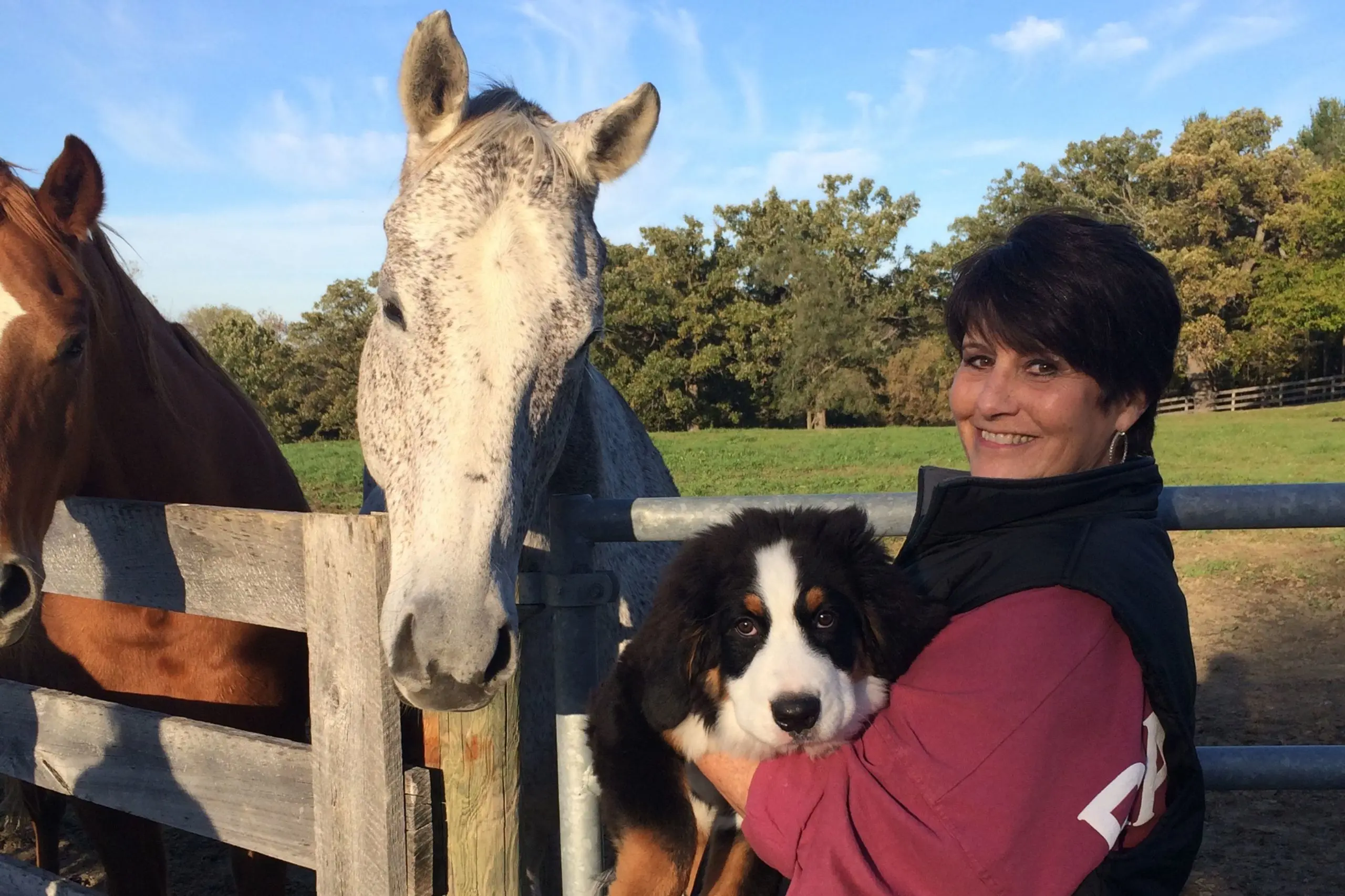
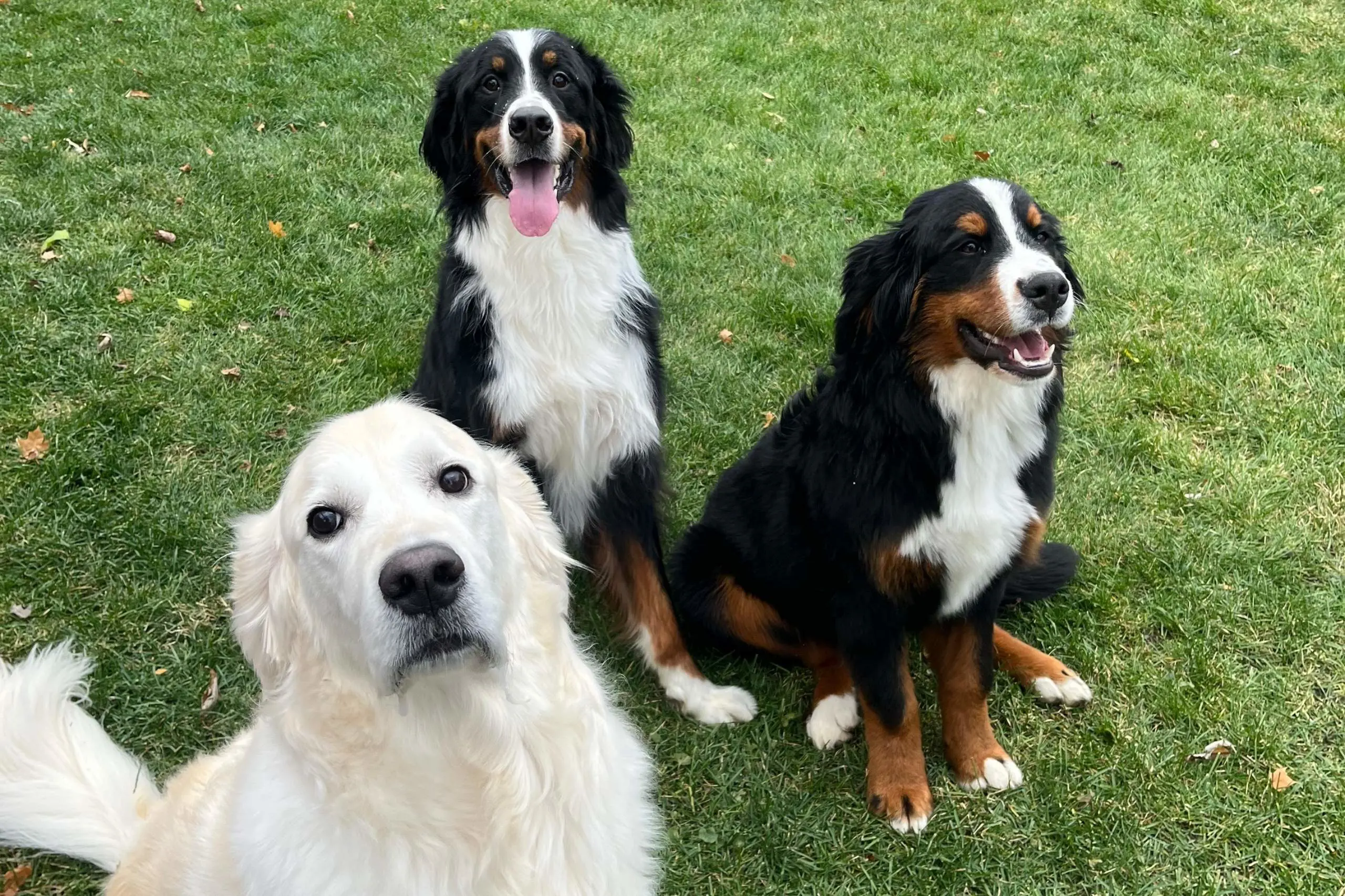
We currently have three dogs in our Animal Assisted Therapy Program: Tipp, Sligo, and Claddagh—all named in a nod to our Irish heritage. Tipperary is an English Cream Retriever that belongs to my son Mark. He is such a sweet boy and has never met a person he didn't love! Tipp has been my go-to dog when there is a community crisis, such as the Highland Park shooting, and when various other schools have needed a dog team. Loyola's call to service is so strong that even our dogs are committed to community service as well! Sligo is a rescued Bernese Mountain Dog who lives with me. He is quite anxious and visits my office on occasion with only a few students at a time. He is not born to be a therapy dog, but students enjoy helping him to relax during their visits. He loves the students but has a hard time dealing with his nervousness. We all recognize some of our own anxiety in Sligo! Claddagh is the newest member of our Animal Assisted Therapy Program, who also lives with me, and we are thrilled to have her at school every day. She is a natural-born therapy dog who is working to complete the final step in her certification this summer. Claddagh's name was chosen since it is the symbol of friendship, loyalty, and love, which are all gifts dogs bring to us every day. She is a natural, and once she is certified will be able to join her buddy Tipp doing community crisis work.