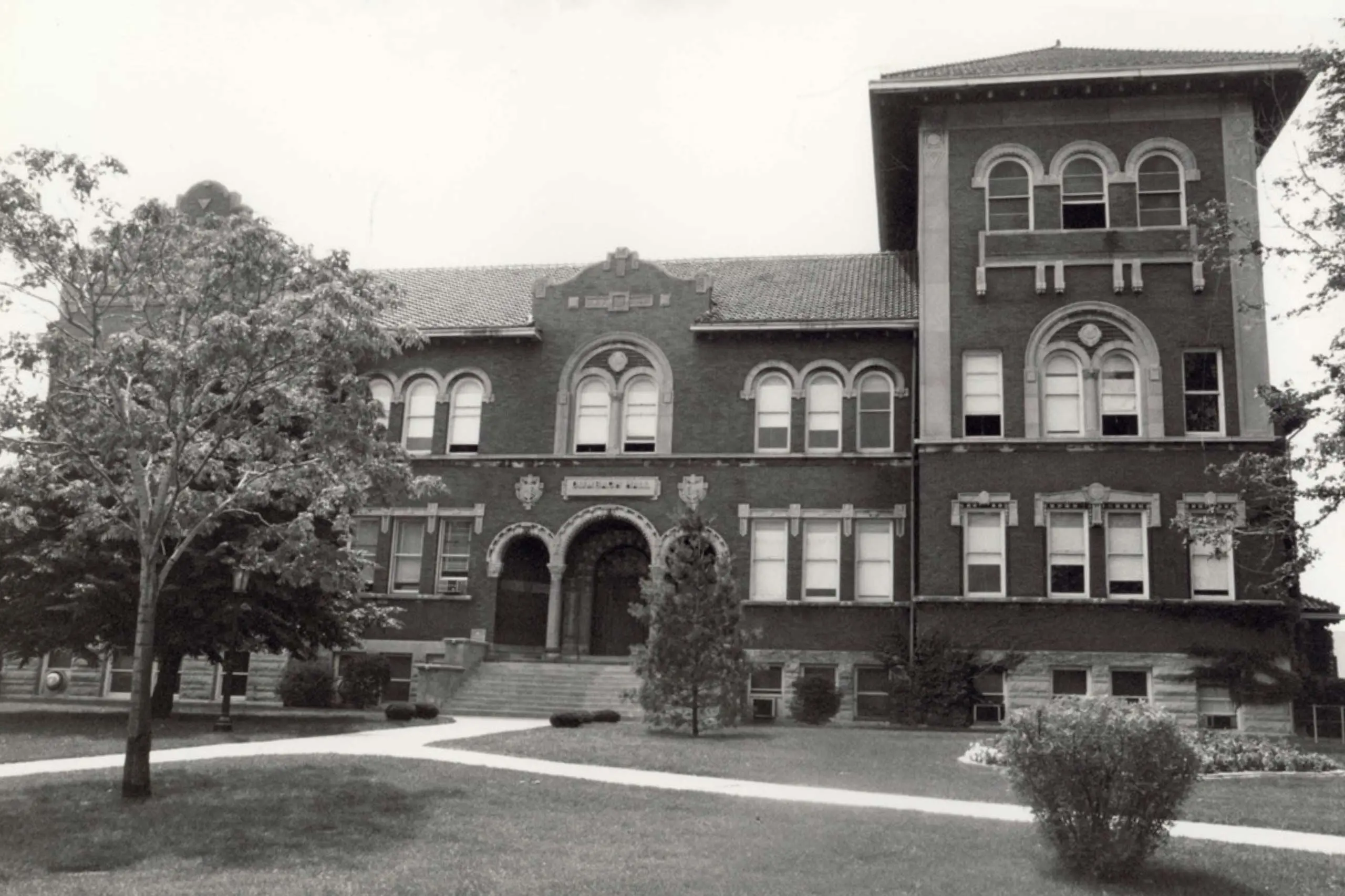
Why Loyola Academy Was Founded
At the turn of the twentieth century, Chicago was a rapidly growing city, and the Jesuits recognized a need for a Catholic educational institution that would prepare young men not only for college, but for lives of faith, leadership, and service. Building on the educational tradition of St. Ignatius College, Jesuit leaders envisioned a new academy on Chicago's North Side where students could develop intellectually, spiritually, and morally within a rigorous Catholic environment.
The path to founding Loyola Academy was neither simple nor immediate. For more than a decade, Jesuit leaders worked to identify a suitable location, secure approval from Church authorities, and gather the resources necessary to bring their vision to life. Led by Rev. Henry Dumbach, SJ, these efforts culminated in the establishment of Loyola Academy in Rogers Park as part of a broader Jesuit commitment to expanding educational opportunities for young people and strengthening the Catholic presence in the community.
When Loyola Academy opened its doors on September 20, 1909, 88 young men entered Dumbach Hall on the campus that would later become Loyola University Chicago. More than a new school, the Academy represented a bold investment in the future—a place where students would be challenged to pursue academic excellence, deepen their relationship with God, and develop the character needed to lead and serve others. More than a century later, that founding vision continues to guide Loyola Academy's mission of forming women and men for meaningful lives of leadership and service.